
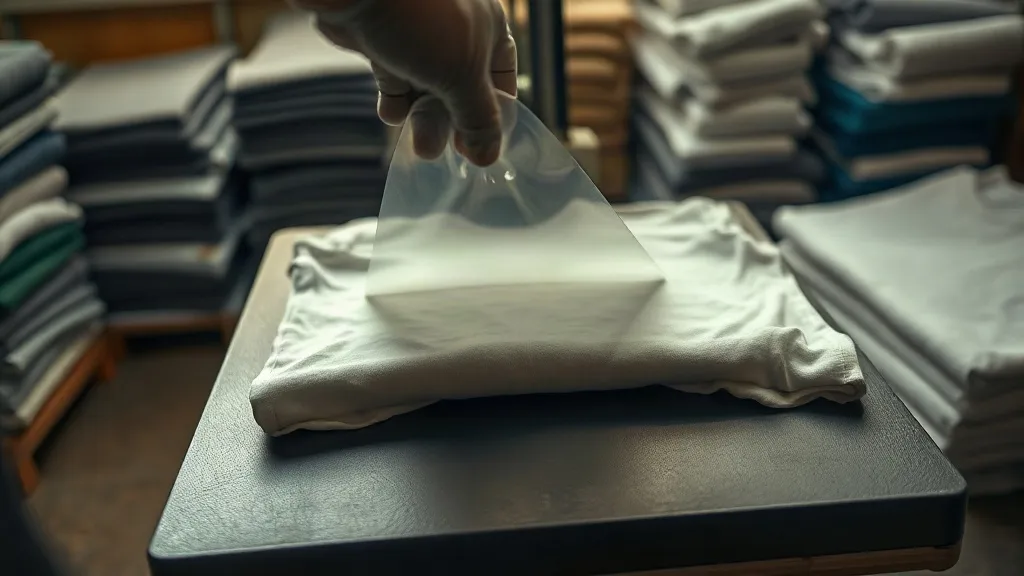
Most press operators learn the peel almost by accident. You pull a shirt off the platen, the film lifts with a satisfying snap, and you move on. Nobody explains why that snap happens, or what it costs you when the film is still hot. That single decision, whether you peel while the print is warm or wait for it to cool, quietly shapes how your dtf transfers hold up after ten washes, how the print feels on the hand, and how many reprints land in your scrap bin.
This is not a theory piece. It comes from the practical side of running a press day in and day out, where a shop might pull fifty to two hundred prints before lunch. The difference between a clean peel and a torn one is rarely about luck. It is about timing, and timing is something you can control.
What Actually Happens During a Peel
When the press closes, heat does two things at once. It softens the adhesive layer in the dtf film so it can bond to the garment fibers, and it melts the thermoplastic powder that sits on top of the ink. That powder is what gives the print its flexibility and its grip on the fabric. The ink itself stays largely unchanged; it is the powder and adhesive that do the work.
The moment you open the press, the print is still above the softening point of both layers. If you peel immediately, the adhesive is still fluid and stretches as the film lifts. Sometimes that stretch is invisible. Sometimes it drags a thin veil of powder with the film, leaving a slightly matte, undercured patch on the garment. Cold peel gives both layers a few seconds to set before you pull, so the adhesive releases cleanly instead of stretching.
Why Hot Peel Still Has a Place
Hot peel is not wrong. It is fast, and on certain films it is the intended method. Many manufacturers print a peel instruction directly on the carrier sheet, and ignoring it is the most common cause of a failed transfer. If the film says hot peel, peel hot. If it says cold, wait. The trouble starts when a shop standardizes on one method for every film it stocks, because suppliers do not all use the same adhesive chemistry.
Cold Peel in Practice: The Timing Window
Cold peel does not mean ice cold. It means the print has cooled enough that the adhesive is no longer tacky to the touch, usually somewhere between five and fifteen seconds after the press opens, depending on room temperature and garment thickness. A heavy hoodie holds heat longer than a thin polyester tee, so the window shifts with the blank.
A simple test beats a stopwatch. Touch a corner of the carrier sheet with the back of your finger. If it still feels hot enough to make you pull away, wait. If it is warm but comfortable, peel. In a busy shop, this becomes instinct within a week.
- Peel at a low angle, close to the garment surface, rather than straight up.
- Use one smooth motion; stopping mid-peel is where tears happen.
- Peel away from the center of the design toward the edges so the film does not fold back on itself.
- Keep a clean, dry hand or a lint-free cloth on the garment to hold it flat while the other hand pulls.
The Second Press Nobody Talks About Enough
After a cold peel, a short second press of five to eight seconds under a cover sheet or Teflon gives the print a final set and smooths any texture left by the carrier film. This step is where a dtf transfers job goes from acceptable to genuinely retail quality. It also flattens the slightly raised edge that cold peel can leave, which matters on stretchy fabrics where edges catch the eye.
How Peel Method Changes Wash Durability
Wash durability is the metric customers actually judge you on, even if they never say the word. A print that cracks after five cycles gets returned. A print that survives thirty gets reordered. Cold peel tends to win here for a simple reason: the adhesive has fully bonded before the film is removed, so there is no stretched, thin adhesive layer waiting to fail.
Hot peel, done correctly on a hot-peel film, also holds up well. The failures usually come from a mismatch, hot peeling a cold-peel film or the reverse. When a shop owner asks why one batch washed fine and the next did not, the answer is often a supplier change that came with a different peel instruction nobody noticed.
Reading the Film Before You Press
Every roll of dtf film carries its own instruction, printed small along the carrier edge. Before the first press of a new roll, read it. Note the temperature, the time, the pressure, and the peel type. Write it on a label and stick it to the shelf. That one habit prevents most of the reprints that eat a shop's margin without showing up on any invoice.
Matching Peel Method to Garment and Design
Not every job wants the same treatment. Dense, large-area designs with heavy ink coverage cool more slowly and benefit from a slightly longer wait. Fine line work and small lettering cool fast and may need only a few seconds. Stretch fabrics like spandex blends reward cold peel plus a second press, because the print needs to move with the garment rather than sit on top of it.
For shops fielding walk-in requests, knowing the peel method also answers a common customer question: how fast can I get this? Cold peel adds maybe twenty seconds per piece. Over a hundred shirts, that is half an hour. Worth planning for, not worth panicking over.
When Customers Ask About Local Pickup
Plenty of buyers search for dtf transfers near me because they want to see and touch a sample before committing to a large order. That is a reasonable instinct. A sample tells you more about film quality, powder coverage, and color accuracy than any spec sheet. If you are ordering from a supplier, ask whether a small test pack is available; pressing one design on your own blanks reveals how the film behaves under your press, your climate, and your fabric choices.
Common Peel Problems and What They Mean
Most peel failures fall into a handful of recognizable patterns. Learning to read them saves guesswork.
- Ink sticking to the carrier film: usually undercured powder or too short a press time. Increase dwell slightly before changing anything else.
- Patchy, matte areas on the print: powder did not fully melt, often because the film was peeled too soon or the press ran cool.
- Ragged edges where the design tears: peeling too fast or at the wrong angle, or a film that was meant to be cold peeled and was pulled hot.
- Print lifting at the corners after washing: adhesive never fully bonded, which points back to temperature, pressure, or peel timing.
Each of these is fixable without buying new supplies. That is the useful part. Most peel problems are process problems, and process problems respond to small, cheap adjustments.
Frequently Asked Questions
Can I cold peel a film that is labeled hot peel?
You can, but you should not expect the same result. Hot-peel films are formulated to release while the adhesive is still warm. Waiting can cause the film to grip harder and tear the print. Follow the label, and if you need cold peel behavior, buy a cold-peel film.
How long should I wait before peeling a cold-peel transfer?
Usually five to fifteen seconds after the press opens, until the carrier sheet is warm but no longer hot to the touch. Thick garments and cold rooms lengthen the wait; thin fabrics shorten it. Touch test beats timing every time.
Does peel method affect how the print feels on the shirt?
Yes. Cold peel followed by a short second press produces a flatter, softer hand feel. Hot peel can leave a slightly crisper edge, which some designs want and others do not.
Why did my print crack after the first wash?
Cracking almost always traces back to incomplete bonding: too little pressure, too low a temperature, or peeling before the adhesive set. Check your press settings against the film's instruction before assuming the film is at fault.
Can I peel with a machine instead of by hand?
Some shops use automated peelers for consistency on high-volume runs. They work well, but they still depend on correct timing. A machine peeling a film too hot will produce the same stretched adhesive a hand peel would.
Building Peel Discipline Into Your Shop
The peel is a two-second decision that determines whether a print survives a season or a single wash. Treat it as a real step in your workflow rather than an afterthought. Label your film rolls with their peel method. Train new staff on the touch test before they touch a press. Keep a small scrap bin near the press so failed pulls get logged instead of quietly binned. Over a few months, those habits turn into fewer reprints, happier customers, and a margin that stops leaking through the cracks.