If you've been exploring custom apparel printing, you've likely encountered the term dtf. Direct-to-film printing, or DTF, is rapidly gaining popularity for its versatility and vibrant results. Unlike traditional methods, DTF transfers allow you to print full-color designs on a wide range of fabrics without the need for weeding or specialized equipment. In this guide, we'll walk you through everything you need to know about DTF transfers, from the basics to advanced tips, so you can start creating stunning custom apparel today.
What Are DTF Transfers?
DTF transfers are a type of heat-applied transfer that uses a special film to carry your design. The process involves printing your artwork onto a PET film using specialized DTF inks, then applying a powder adhesive to the wet ink. Once the powder is cured, the transfer is ready to be heat-pressed onto your fabric. The result is a soft, stretchable, and durable print that can be applied to almost any fabric, including cotton, polyester, blends, and even leather.
The DTF Printing Process
Understanding the DTF process helps you appreciate its advantages. Here's a step-by-step breakdown:
- Design Preparation: Create your artwork in a graphic design software and mirror it horizontally. This is crucial because the transfer will be flipped when applied.
- Printing: Using a DTF printer, your design is printed onto a PET film with CMYK and white inks. The white ink acts as a base, allowing the colors to pop on dark fabrics.
- Powdering: While the ink is still wet, a thermoplastic powder is applied evenly over the print. The powder sticks to the ink.
- Curing: The film is then heated to melt the powder, creating a flexible adhesive layer. This can be done with a heat press or a curing oven.
- Transfer: Once cured, the transfer is placed onto the fabric and heat-pressed. After cooling, you peel off the film, leaving your vibrant design behind.
Why Choose DTF Transfers?
DTF transfers offer several compelling benefits that make them a favorite among both hobbyists and professionals. Let's explore why you might choose DTF over other printing methods.
Versatility Across Fabrics
One of the biggest advantages of DTF is its ability to adhere to a wide variety of materials. Whether you're working with cotton, polyester, nylon, or even leather, DTF transfers can handle it. This is particularly useful for printing on items like tote bags, caps, and jackets that may have different fabric compositions. Unlike vinyl, which requires different types for different fabrics, DTF is a one-size-fits-all solution.
No Weeding Required
If you've ever worked with heat transfer vinyl (HTV), you know the tedious process of weeding out tiny details. DTF eliminates that entirely. Because the design is printed with ink, there's no cutting or weeding involved. This saves time and allows for incredibly intricate designs with fine lines and gradients that would be impossible with vinyl.
Vibrant Colors and Fine Details
DTF printers use CMYK and white inks to produce full-color images with stunning vibrancy. The white ink base ensures that colors remain bright even on dark garments. Plus, the printing process captures fine details, gradients, and photographs with impressive accuracy. If you want photorealistic prints, DTF is an excellent choice.
Durability and Stretchability
When properly applied, DTF transfers are highly durable. They withstand repeated washing without cracking or fading. The prints also stretch with the fabric, making them ideal for athletic wear and stretchy materials. This flexibility ensures that your designs won't crack when the garment is stretched.
Getting Started with DTF Transfers
Ready to dive into DTF printing? Here's what you need to know to get started on the right foot.
Essential Equipment
To produce DTF transfers, you'll need:
- DTF Printer: A specialized printer that uses DTF inks. These can be expensive, but you can also outsource printing to a service.
- DTF Inks: CMYK and white inks formulated for DTF printing.
- PET Film: The transfer film that carries the design.
- Adhesive Powder: Thermoplastic powder that bonds the ink to the fabric.
- Heat Press: For curing the powder and applying the transfer.
- Design Software: Such as Adobe Photoshop or CorelDRAW for creating artwork.
If you're not ready to invest in a printer, you can purchase pre-made dtf transfers from suppliers like dtfprintfast.com and apply them with just a heat press.
Step-by-Step Application
Applying a DTF transfer is straightforward. Follow these steps for best results:
- Preheat the Heat Press: Set your heat press to the temperature recommended by your transfer supplier, typically around 300-325°F (150-160°C).
- Prepress the Garment: This removes moisture and wrinkles, ensuring a smooth surface.
- Position the Transfer: Place the transfer face-down onto the fabric in the desired location.
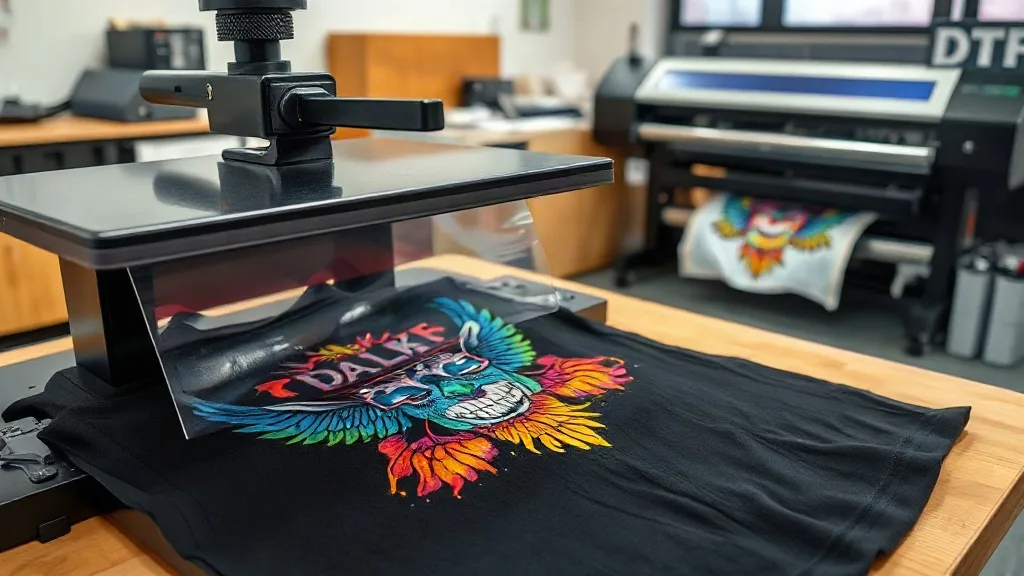
- Press: Apply medium to firm pressure for 10-15 seconds.
- Peel: Allow the transfer to cool completely before peeling off the film. This is known as a cold peel.
- Post-Press (Optional): For extra durability, you can press again for a few seconds with a protective sheet.
Common Mistakes to Avoid
Even though DTF is user-friendly, some pitfalls can affect your results. Here are a few common mistakes and how to avoid them:
- Insufficient Pressure: If the pressure is too low, the transfer may not adhere properly. Adjust your heat press accordingly.
- Wrong Temperature: Too high can burn the design; too low can prevent proper adhesion. Always follow the recommended settings.
- Peeling Too Soon: Peeling while hot can cause the design to stretch or tear. Wait for it to cool.
- Not Pre pressing: Skipping this step can lead to uneven application.
DTF vs. Other Printing Methods
How does DTF stack up against other popular printing techniques? Let's compare.
DTF vs. DTG
Direct-to-garment (DTG) printing is another method for printing on fabric. DTG requires pre-treatment and works best on 100% cotton. DTF, on the other hand, works on a wider range of fabrics and doesn't require pre-treatment. DTF also produces more vibrant colors on dark garments due to the white ink base.
DTF vs. Vinyl
Heat transfer vinyl is great for simple designs but falls short for complex, multi-color images. DTF excels at detailed, full-color prints and eliminates weeding. However, vinyl can be more cost-effective for single-color, simple designs.
DTF vs. Screen Printing
Screen printing is ideal for large orders of the same design, offering low cost per unit. DTF is better for small batches, customized items, and designs with many colors. Screen printing requires setup for each color, while DTF is a digital process with no setup.
Applications of DTF Transfers
DTF transfers are incredibly versatile and can be used for a variety of applications:
- Custom T-shirts: Create personalized tees for events, teams, or gifts.
- Sportswear: The stretchability makes DTF perfect for jerseys and leggings.
- Accessories: Decorate tote bags, hats, and backpacks.
- Home Decor: Add designs to pillowcases, blankets, and more.
Tips for Best Results
To ensure your DTF transfers look professional and last long, keep these tips in mind:
- Use High-Quality Materials: Invest in good DTF film and powder for consistent results.
- Test Your Settings: Every heat press is different; test with a scrap fabric to find the perfect temperature, pressure, and time.
- Store Transfers Properly: Keep unused transfers in a cool, dry place to prevent moisture damage.
- Wash Inside Out: To prolong the life of your prints, wash garments inside out in cold water and avoid bleach.
Frequently Asked Questions
Can DTF transfers be applied to any fabric?
DTF transfers work on a wide range of fabrics, including cotton, polyester, blends, nylon, and leather. However, fabrics with a rough texture or heavy coating may not yield optimal results. It's always a good idea to test on a small area first.
How long do DTF transfers last?
When applied correctly and cared for properly, DTF transfers can last as long as the garment itself. They are durable and resistant to cracking and fading. Following washing instructions will help maintain their appearance.
Do I need a special printer for DTF?
Yes, DTF printing requires a printer that uses DTF inks and can handle PET film. However, if you don't want to invest in a printer, you can buy pre-printed transfers from suppliers and apply them with a heat press.
What is the difference between DTF and DTG?
DTF (Direct-to-Film) involves printing on a film and then transferring to fabric, while DTG (Direct-to-Garment) prints directly onto the garment. DTF works on more fabric types and doesn't require pre-treatment, whereas DTG is mostly for cotton and requires pre-treatment.
Can I use DTF transfers on dark colors?
Absolutely! DTF transfers include a white ink base that makes colors pop on dark fabrics. This is one of the key advantages over other methods like DTG, which may require a white underbase for dark garments.
Conclusion
DTF transfers are revolutionizing the custom apparel industry with their versatility, vibrant colors, and ease of use. Whether you're a hobbyist or a professional printer, DTF offers a reliable way to bring your designs to life on a variety of fabrics. By understanding the process, avoiding common mistakes, and following best practices, you can achieve professional-quality results. So why not give DTF a try? Explore the possibilities and elevate your printing game today.