
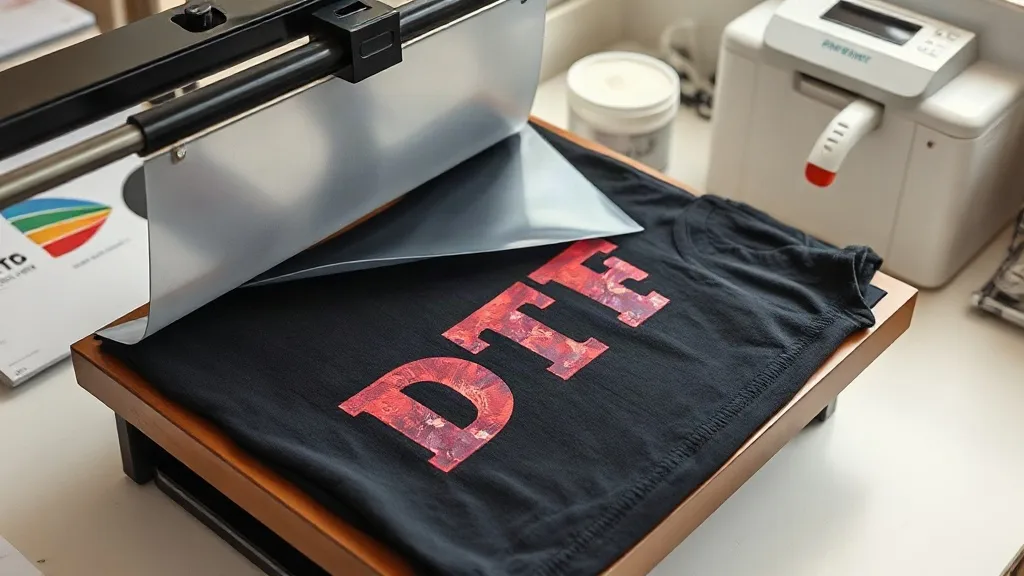
Imagine pressing a button and watching a full-color design transfer onto a t-shirt in under a minute, with no color limitations and no special pretreatment. That's the promise of dtf printing, a digital transfer technology that has quickly become a favorite among small business owners, crafters, and anyone who wants professional-looking custom apparel without the hassle of traditional methods. Whether you're running a side hustle or just want to make matching shirts for a family reunion, DTF printing offers a straightforward path from digital file to finished product.
What Exactly Is DTF Printing?
DTF stands for Direct to Film. At its core, the process involves printing a design onto a special film using water-based pigments, dusting it with a hot-melt adhesive powder, and then curing the powder with heat. The result is a flexible, stretchable transfer that can be applied to a wide range of fabrics using a heat press. Unlike DTG (Direct to Garment) printing, which requires the garment to be pretreated and works best on 100% cotton, DTF printing adheres to cotton, polyester, blends, and even leather or denim. That versatility is a game-changer for anyone who works with different materials.
Why DTF Transfers Are Gaining Popularity
The rise of dtf transfers isn't just hype. Several practical advantages make them attractive:
- No color restrictions: You can print gradients, photographs, and fine details without worrying about color separation or screen limitations.
- Works on many fabrics: From 100% cotton to 50/50 blends and even nylon, DTF transfers bond reliably.
- Durable and stretchy: The cured adhesive creates a strong bond that withstands repeated washing and stretching without cracking.
- Low startup cost: You don't need expensive screens or garment pretreatment equipment. A decent printer, film, powder, and a heat press are enough.
- Fast turnaround: Once the transfer is ready, application takes seconds per item, making it ideal for small batches and on-demand orders.
How DTF Printing Works Step by Step
Understanding the workflow helps you troubleshoot and get consistent results. Here's what happens from design to finished shirt:
- Design preparation: Create your artwork in a graphics program. Remember to mirror the image horizontally before printing, because the transfer will be flipped when applied.
- Printing: Load the DTF film into a compatible printer (often a converted Epson or similar). The printer lays down a layer of white ink first, followed by CMYK colors. This white base is what makes the design opaque on dark fabrics.
- Powder application: While the ink is still wet, the film is sprinkled with thermoplastic polyurethane (TPU) adhesive powder. The powder sticks to the wet ink.
- Curing: The film goes into a curing oven or under a heat press for a short time to melt the powder into a smooth, clear adhesive layer.
- Transfer: The cured film is placed on the garment and pressed with a heat press at around 300-320°F for 10-15 seconds. After cooling, you peel away the film, leaving the design bonded to the fabric.
Choosing the Right Equipment and Supplies
If you're just starting, you don't need a full industrial setup. Many beginners use a converted desktop printer, quality DTF film, and a reliable heat press. The key is consistency: use the same film and powder brand, and follow the manufacturer's curing temperature and time. A common mistake is under-curing the powder, which leads to weak adhesion and early peeling. Investing in a good infrared thermometer or heat gun helps you verify temperatures.
DTF vs. Other Printing Methods
How does DTF stack up against screen printing, DTG, and vinyl? Screen printing is cost-effective for large runs of simple designs but requires setup per color. DTG excels on 100% cotton but struggles with polyester and dark garments without pretreatment. Vinyl is great for simple one-color designs but limited in detail. DTF sits in a sweet spot: it handles complex, multi-color designs on almost any fabric, with minimal setup and no garment pretreatment. For small businesses that offer personalized products, that flexibility is invaluable.
Common Challenges and How to Avoid Them
Even though DTF is forgiving, a few issues pop up regularly:
- Peeling after wash: Usually caused by insufficient pressure, wrong temperature, or under-cured powder. Increase pressure and verify curing parameters.
- Dull colors: Often due to too much powder or overcuring, which can yellow the adhesive. Use a fine powder and cure just until it gels.
- Sticky film: If the film feels tacky after curing, it's under-cured. Cure longer or at a slightly higher temperature.
- Clogged printhead: Regular maintenance and daily nozzle checks keep your printer in top shape.
Applications Beyond T-Shirts
DTF transfers aren't just for tees. They work beautifully on hoodies, tote bags, caps, denim jackets, and even canvas shoes. The stretchable bond makes them suitable for performance wear and athletic jerseys, where the design needs to move with the fabric. Crafters also use DTF for personalized gifts like aprons, pillow covers, and pet bandanas. The only limit is your imagination.
Getting Started: A Simple Roadmap
Ready to dive in? Here's a practical plan:
- Learn the basics: Watch tutorials and join DTF-focused online communities. Understanding the nuances saves time and money.
- Start with a kit: Many suppliers offer starter kits that include film, powder, and sometimes a converted printer. This reduces the guesswork.
- Practice on scrap fabric: Before pressing a customer's order, test on similar material to dial in your heat press settings.
- Offer samples: Give potential clients a sample shirt to demonstrate the quality and durability.
- Scale up: As demand grows, consider a larger printer and a conveyor oven for faster curing.
Frequently Asked Questions
How long do DTF transfers last on a shirt?
With proper application and care (washing inside out in cold water, avoiding bleach), DTF transfers can last 50+ washes without significant fading or peeling. The key is correct curing and pressing.
Can I use DTF on 100% polyester?
Yes, DTF works well on polyester. However, because polyester is heat-sensitive, use a lower pressing temperature (around 280-300°F) and test first to avoid scorching or dye migration.
Do I need a special printer for DTF?
You can convert many desktop inkjet printers (like Epson EcoTank models) to use DTF inks and film. Alternatively, you can buy a dedicated DTF printer. The main requirement is a printer that supports white ink and can handle the film thickness.
What's the difference between DTF and DTG?
DTG prints directly onto the garment, which must be pretreated and is usually 100% cotton. DTF prints onto a film first, then transfers to the garment, allowing it to work on more fabrics and without pretreatment.
Is DTF printing cost-effective for small orders?
Absolutely. With no screen setup fees and minimal material waste, DTF is very cost-effective for one-off items and small batches. The per-unit cost drops further as you optimize your workflow.
DTF printing has opened doors for creators who want to produce high-quality custom apparel without a huge investment. By understanding the process, choosing the right supplies, and practicing your technique, you can deliver products that impress customers and stand the test of time. Whether you're adding a new service to your business or starting a creative hobby, DTF transfers offer a reliable and versatile solution.