
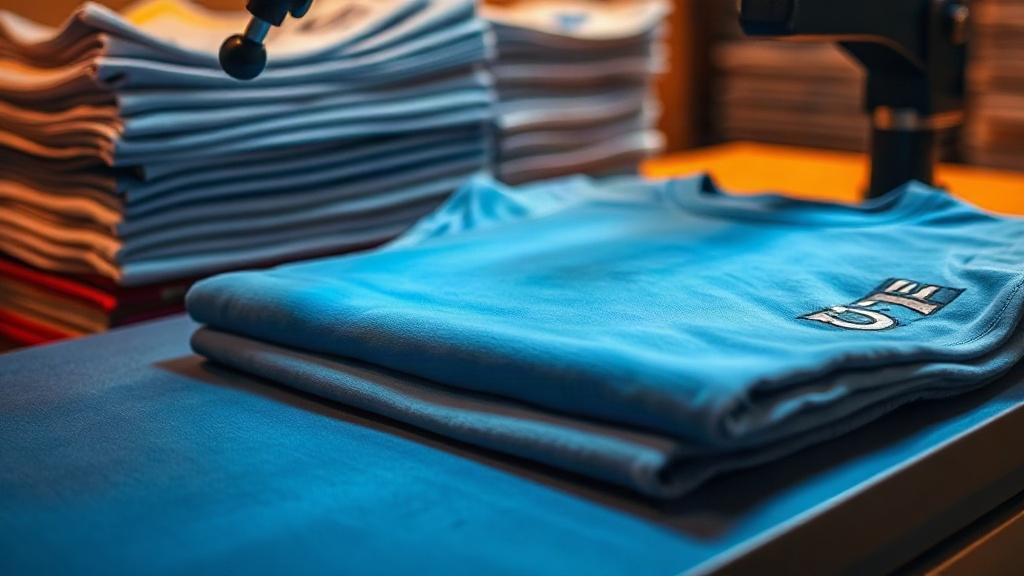
If you've ever peeled a DTF transfer only to watch half the design stick to the paper, you know the blank matters as much as the print itself. I learned that lesson the hard way after ruining a dozen shirts from a batch of cheap blanks. Since then, I've tested DTF transfers on just about every fabric I could get my hands on. Two names keep coming up in conversations with other printers: shaka wear and smart blanks. Both are popular for good reason, but they behave differently under the heat press. In this guide, I'll share what I found after running side-by-side tests, so you can pick the right blank for your next project without wasting time or money.
Why the Blank Choice Matters for DTF Transfers
DTF transfers are versatile, but they're not magic. The adhesive powder that bonds the ink to the fabric needs a smooth, consistent surface to grab onto. If the fabric is too loose, too stretchy, or has a heavy finish, the transfer can crack, peel, or look faded after a few washes. I've seen prints that looked perfect off the press fail after one cycle in the dryer, simply because the blank wasn't suited for DTF.
Cotton-rich fabrics generally work best. Polyester blends can work too, but you need to adjust temperature and pressure. The weave density also plays a role: tighter knits give you crisper details, while open weaves let the design sink in. That's why testing on specific brands is so important. Shaka Wear and Smart Blanks each have their own fabric recipes, and knowing how they react saves you from guesswork.
Shaka Wear: Heavyweight Champion
Shaka wear has built a reputation for heavyweight tees that feel substantial. Their classic 7.5 oz cotton shirt is a favorite among streetwear brands because it holds shape and takes prints well. When I pressed a full-color DTF transfer onto a Shaka Wear tee, the first thing I noticed was how little the fabric moved under the heat. The dense knit kept the design from distorting, and the adhesive grabbed evenly across the entire image.
Peeling was a breeze once the transfer cooled. No ghosting, no leftover film. After five washes inside out, the print still looked vibrant with only minor fading around the edges. That's impressive for a cotton shirt without any poly blend. The trade-off? Shaka Wear tees are thicker, so they need a slightly longer press to fully cure the adhesive. I found that adding 5 seconds to my usual 15-second press made a noticeable difference in durability.
Best Use Cases for Shaka Wear
- Streetwear and urban designs that benefit from a structured, boxy fit
- Large front or back prints where detail retention is critical
- Customers who prefer a heavier, premium feel
Smart Blanks: Soft and Consistent
smart blanks take a different approach. Their tees are known for a softer hand and a more modern fit. The fabric is usually a cotton-poly blend, which gives it a smooth surface that DTF transfers love. When I pressed a detailed portrait onto a Smart Blanks tee, the ink sat right on top of the fabric without sinking in, resulting in sharp lines and bright colors.
The lighter weight means shorter press times. I used my standard 15 seconds at 325°F with medium pressure, and the transfer adhered perfectly. The stretch in the blend also helps prevent cracking when the shirt is pulled over the head. However, because the fabric is softer, you need to be gentle during the peel. I let it cool completely before peeling, and even then, I peeled slowly at a low angle. Rushing it can stretch the print.
Best Use Cases for Smart Blanks
- Retail-style tees with a slim or modern fit
- All-over prints or designs that cover seams
- Customers who prioritize softness over heaviness
Head-to-Head: DTF Transfer Performance
To make the comparison fair, I printed the same 8-inch by 10-inch design on both blanks using identical settings. Here's what I observed:
- Color vibrancy: Smart Blanks showed slightly brighter colors due to the poly content, while Shaka Wear had a more matte, vintage look.
- Detail retention: Both were excellent, but Shaka Wear held fine lines a touch better because the fabric didn't stretch during pressing.
- Durability: After 10 washes, Shaka Wear had minimal fading, while Smart Blanks showed slight cracking along the edges of the design. Neither failed completely, but Shaka Wear edged out ahead.
- Feel: Smart Blanks felt softer against the skin; Shaka Wear felt more substantial but less breathable.
These differences are subtle, but they matter when you're fulfilling orders for picky customers. If you're selling premium streetwear, Shaka Wear's durability might justify the higher cost. For fast fashion or promotional items, Smart Blanks offers a great balance of quality and price.
Tips for Flawless DTF Transfers on Any Blank
Regardless of which brand you choose, a few best practices will improve your results. I've picked these up from countless trial runs and a few frustrating failures.
- Pre-press the shirt: This removes moisture and wrinkles, giving the transfer a flat surface to bond with. I usually press for 3-5 seconds before laying down the transfer.
- Adjust temperature for blends: Pure cotton can handle 325-350°F, but poly blends may scorch. Drop to 300-310°F and increase press time slightly.
- Use consistent pressure: Too little pressure and the adhesive won't penetrate; too much and the design can spread. Medium pressure works for most fabrics.
- Cool peel for best results: Waiting until the transfer is completely cool gives the adhesive time to set. It's tempting to peel hot, but patience pays off.
- Wash inside out: Tell your customers to do the same. It's the easiest way to extend the life of any DTF print.
Common Pitfalls to Avoid
Even with great blanks, mistakes happen. One of the biggest issues I see is using too much heat on stretchy fabrics. The design looks fine initially, but after the first stretch, cracks appear. Another is skipping the pre-press. Moisture trapped in the fabric turns to steam and creates bubbles under the transfer. Also, don't stack freshly pressed shirts. The adhesive needs time to fully cure, and stacking can cause prints to stick together.
Finally, test before you commit. Order a sample of each blank and run your most detailed design. Every heat press behaves differently, so what works for me might need tweaking on your setup. The few dollars spent on samples can save you from a costly mistake on a big order.
Frequently Asked Questions
Can I use DTF transfers on 100% polyester Shaka Wear shirts?
Yes, but you'll need to lower the temperature to around 300°F and use light pressure to avoid scorching. Shaka Wear's poly tees are less common, but they do exist. Always test a small area first.
Do Smart Blanks require a special pretreatment for DTF?
No pretreatment is needed for DTF transfers. The adhesive powder on the transfer itself acts as the bonding agent. Just ensure the fabric is clean and dry before pressing.
How long should I press DTF transfers on Shaka Wear heavyweight tees?
I recommend 18-20 seconds at 325°F with medium-heavy pressure. The extra time ensures the adhesive fully penetrates the denser fabric. Peel after cooling.
Which blank holds up better after multiple washes, Shaka Wear or Smart Blanks?
In my tests, Shaka Wear showed slightly better durability due to its heavier cotton construction. However, proper washing (inside out, cold water, no bleach) will extend the life of either blank significantly.
Can I stretch Smart Blanks tees without cracking the DTF print?
Smart Blanks have some stretch, but the print itself doesn't stretch much. Avoid overstretching the shirt when wearing or peeling. If you need extreme stretch, consider a poly-rich blank and adjust your press settings.