
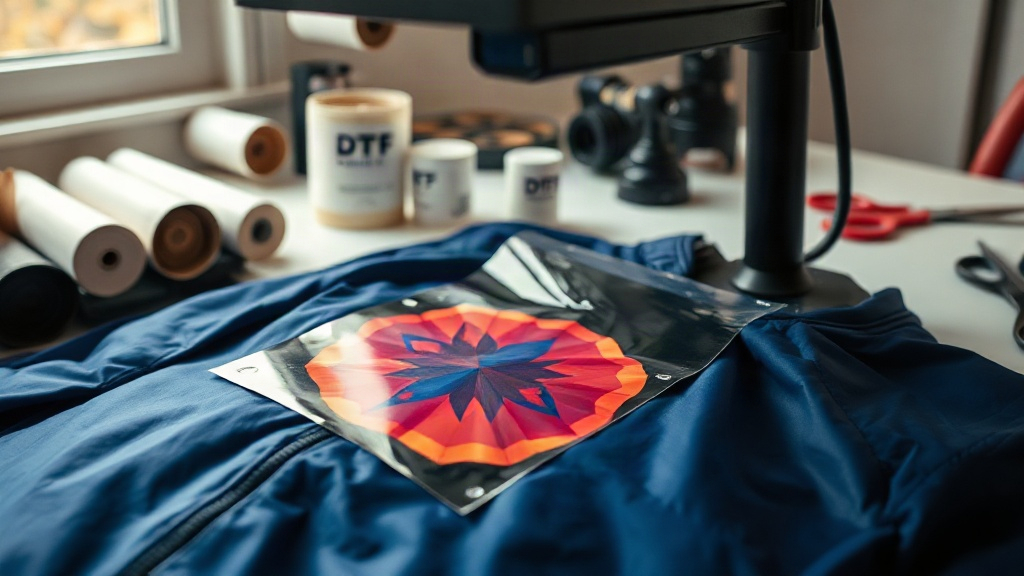
If you've ever tried to screen print on a nylon jacket or heat press a vinyl design onto a leather bag, you know the frustration: the ink cracks, the vinyl peels, or the design simply won't adhere. Enter DTF transfers, a game-changing technology that handles these difficult substrates with ease. Unlike traditional methods, DTF (Direct to Film) printing uses a specially formulated adhesive powder that bonds to a wide range of materials, from cotton and polyester to nylon, leather, and even waterproof fabrics. In this guide, we'll explore why DTF transfers are the go-to solution for hard-to-decorate items, how to choose the right film and powder, and share pro tips to ensure your prints survive the wash and wear.
Why DTF Transfers Excel on Difficult Fabrics
Traditional heat transfer vinyl (HTV) requires a smooth, heat-resistant surface to adhere properly. Nylon, for instance, tends to scorch at high temperatures, while leather can warp or discolor. Screen printing on these materials often demands specialized inks and curing conditions that are impractical for small shops. DTF transfers, however, sidestep these issues because the design is printed onto a film, powdered with a thermoplastic adhesive, and then heat-pressed onto the fabric. The adhesive creates a flexible, durable bond that moves with the fabric, resisting cracking and peeling even on stretchy or textured surfaces.
Moreover, DTF transfers don't require pre-treatment of the fabric, which is a huge time-saver. For items like waterproof jackets or coated polyester, where liquids bead up and refuse to absorb, DTF's adhesive powder works its magic by melting into the fabric's micro-crevices. This makes it possible to decorate gear that would otherwise be off-limits.
Materials That Love DTF Transfers
- Nylon: Windbreakers, leggings, and swimwear benefit from DTF's low-temperature application (around 300°F) that prevents scorching.
- Leather and faux leather: Avoid the risk of burning or cracking with DTF's gentle heat and flexible finish.
- Waterproof and coated fabrics: The adhesive powder bonds to slick surfaces, making DTF ideal for rain gear and outdoor equipment.
- Canvas and denim: While these are easier, DTF provides vibrant, opaque colors without the hassle of multiple screens.
- Blends and synthetics: Polyester, spandex, and blends are no problem; DTF adheres uniformly without dye migration issues.
Choosing the Right DTF Film and Powder
Not all DTF supplies are created equal. The film you choose affects print quality, feel, and durability. There are two main types: hot peel and cold peel. Hot peel films allow you to remove the carrier sheet immediately after pressing while the transfer is still hot, speeding up production. Cold peel films require the transfer to cool completely before peeling, which can yield a smoother finish on detailed designs. For hard-to-decorate fabrics, cold peel is often preferred because it reduces the risk of the design stretching or distorting during removal.
Equally important is the adhesive powder. Thermoplastic polyurethane (TPU) powders are the standard, but they come in different particle sizes. Fine powders (80-200 microns) are great for intricate details and a soft hand, while coarser powders (200-300 microns) provide a more robust bond on rough textures like canvas. For nylon and leather, a medium-grade powder (around 150 microns) balances flexibility and adhesion. Always check compatibility: some powders are designed specifically for stretch fabrics, offering extra elasticity.
Step-by-Step: Applying DTF Transfers to Tricky Materials
- Preheat the fabric: Even though DTF doesn't require pre-treatment, preheating the garment for 5-10 seconds removes moisture and wrinkles, ensuring a smooth surface. Use a heat press, not an iron, for consistent pressure.
- Position the transfer: Place the DTF transfer with the printed side facing up. If you're working with a cold peel film, the design will be mirrored on the film, so it reads correctly after peeling.
- Press with medium pressure: Set your heat press to 300-325°F (150-160°C) and press for 10-15 seconds. For nylon, lower the temperature to 290°F to avoid melting. For leather, use a pressing cloth to protect the surface.
- Peel carefully: For hot peel, remove the film immediately in a smooth, continuous motion. For cold peel, wait until the transfer is completely cool (about 2-3 minutes) before peeling. If any part lifts, re-press for a few seconds.
- Post-press for durability: Cover the design with a Teflon sheet or parchment paper and press again for 5-10 seconds. This step is crucial for hard-to-decorate fabrics as it helps the adhesive fully penetrate the fibers.
Following these steps will give you a professional-looking transfer that withstands repeated washing. But remember, every fabric behaves differently. Always test on a scrap piece first, especially with expensive garments.
Common Pitfalls and How to Avoid Them
Even with DTF's forgiving nature, mistakes happen. One frequent issue is insufficient pressure, which leads to poor adhesion and early peeling. Invest in a quality heat press that provides even pressure across the platen. Another pitfall is overheating nylon, which causes shrinkage or glazing. Use an infrared thermometer to verify your press's actual temperature, as dials can be inaccurate. For leather, excessive heat can cause cracking; always use a lower temperature and a protective layer.
If you notice the powder not melting completely, it could be due to uneven powder application or insufficient pressing time. Shake off excess powder thoroughly before curing, and ensure your press is preheated. For waterproof fabrics, some printers recommend using a special adhesion promoter, but with high-quality DTF transfers, this is rarely necessary.
Washing and Care Tips for Long-Lasting DTF Prints
To keep your DTF transfers looking fresh, advise your customers to wait 24 hours before washing. Turn the garment inside out and machine wash cold on a gentle cycle. Avoid bleach and fabric softeners, which can degrade the adhesive. Tumble dry low or hang dry. If ironing is needed, do not iron directly on the design; use a pressing cloth. With proper care, DTF prints can outlast the garment itself.
Frequently Asked Questions
Can DTF transfers be applied to nylon without damaging it?
Yes, DTF transfers are ideal for nylon because they require lower temperatures (around 290-300°F) and short pressing times. This prevents scorching or melting. Always use a heat press with accurate temperature control and test on a small area first.
How do I ensure DTF transfers stick to waterproof jackets?
Waterproof fabrics have a slick coating that repels adhesives. To improve adhesion, preheat the fabric for 10 seconds to remove moisture, then press at 300°F for 15 seconds with firm pressure. Post-pressing for another 10 seconds helps the adhesive bond. If needed, use a adhesion promoter specifically designed for DTF.
What's the difference between hot peel and cold peel DTF film?
Hot peel film allows you to remove the carrier sheet immediately after pressing while the transfer is still hot, speeding up production. Cold peel film requires the transfer to cool completely before peeling, which can yield a smoother finish on detailed designs. Cold peel is often preferred for stretchy or delicate fabrics.
How durable are DTF transfers on leather?
When applied correctly, DTF transfers on leather are highly durable. The key is to use a low temperature (around 280-300°F) and a pressing cloth to protect the leather's surface. The flexible adhesive moves with the leather, preventing cracks. Avoid overstretching the leather during application.
Can I use DTF transfers on dark and light fabrics?
Absolutely. DTF transfers include a white ink base that makes colors pop on dark fabrics. On light fabrics, the white base ensures opacity. The adhesive powder is clear, so it doesn't affect the color. Just adjust your printing profile accordingly.